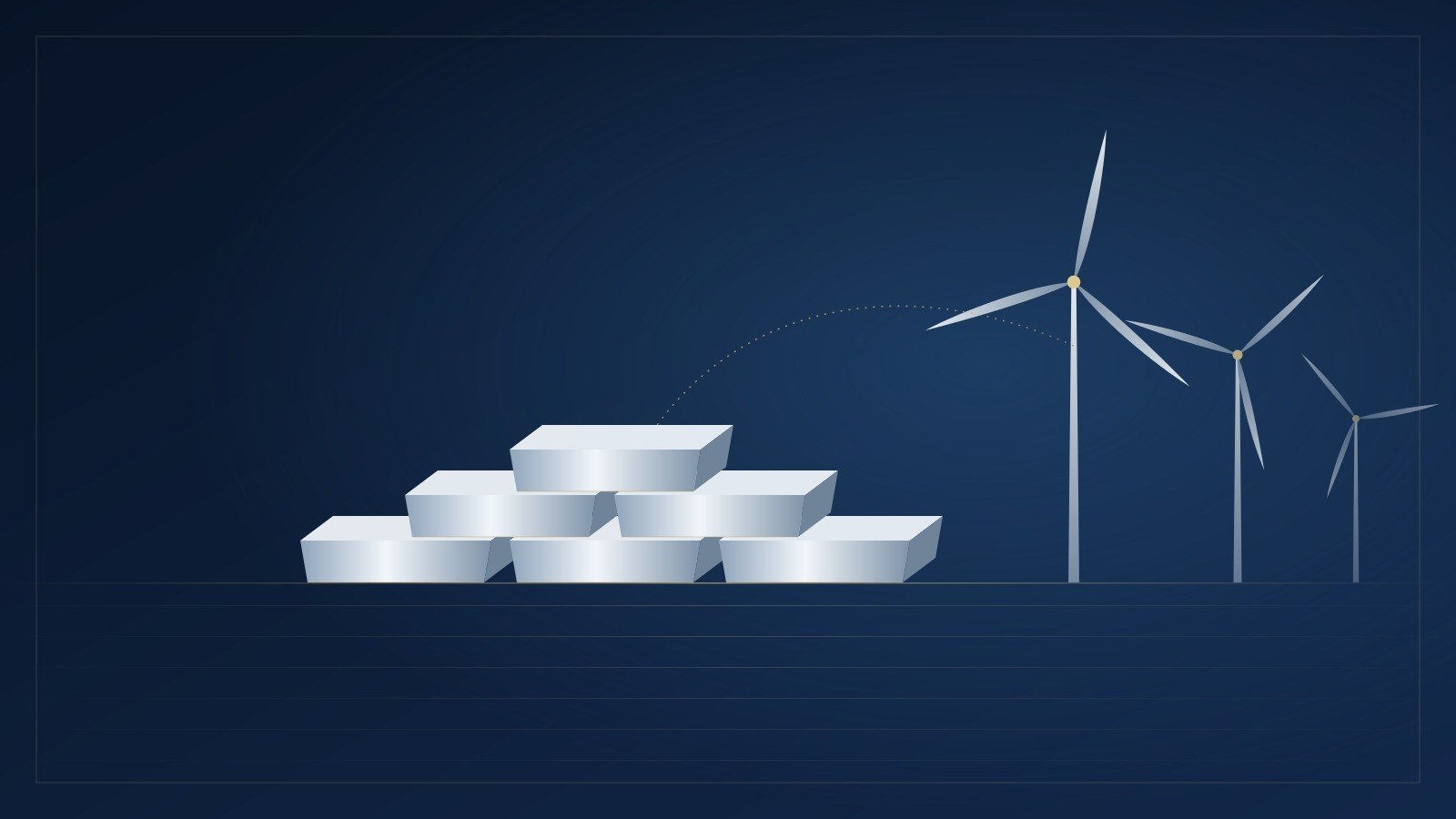
Eastern Kazakhstan is getting another heavy-industry project backed by Chinese capital. The Abai regional administration has signed an agreement with a consortium of Xinjiang Sanbao Industrial Group and Inner Mongolia Wanjiang Investment to build a primary aluminium smelter with capacity of 300,000 tonnes a year, along with a 1 GW wind farm to power it. Total investment is put at about $1.5bn, of which roughly $1bn is for the smelter. Construction is scheduled to start in March 2027, with commissioning planned for December 2028.
The documents were exchanged on 25 September at the Kazakhstan–China investment forum in Almaty. In the list of agreements published by Kazakh Invest, the national investment agency, this project comes first; the same list includes wind projects with SANY Renewable Energy and Sungrow and a car-making complex in East Kazakhstan. Abai governor Berik Uali and consortium chairman Kang Heping attended the exchange.
The smelter layout is standard: a potroom, anode assembly and crushing shops, and auxiliary infrastructure. According to Kursiv, the plant is to use 630 kA reduction cells and energy-saving electrolysis technology. The regional administration expects about 1,000 jobs once it is running.
Aluminium smelting is notoriously power-hungry, which is why the project comes with its own wind farm. A gigawatt of wind capacity can cover a large share of demand, but wind output fluctuates; how the remainder will be supplied and how grid connection will work has not been disclosed. For equipment suppliers, that is what will decide demand for power gear, storage and grid works.
The same consortium signed a second agreement, for a particleboard plant in Semey with capacity of 2 million sheets a year. Investment is about $172m, funded entirely by the investors, with implementation in 2027–2028. The plant will process up to 300,000 cubic metres of wood a year, mainly burnt and substandard timber from wildfire-hit areas, windfall and other wood waste; healthy trees are not to be felled. Output is aimed at Kazakhstan and Central Asia, with 120 permanent jobs after launch and 80 temporary jobs during construction.
Rules related to this news
Kursiv reports that Xinjiang Sanbao has worked in Central Asia for more than 30 years, has a permanent office in Kazakhstan, its group companies have combined foreign trade turnover above $12bn, and it has delivered over 50 large projects in the region under the EPC model. Inner Mongolia Wanjiang Investment works in coal mining and transport, energy, equipment manufacturing and construction, with annual revenue above 5bn yuan and more than 30 subsidiaries and controlled companies.
For now these are agreements: terms on environmental review, land, power tariffs and grid connection have not been made public, and actual timelines will depend on further official decisions. If the project stays on schedule, eastern Kazakhstan will gain a new non-ferrous metals processing site, bringing demand for downstream aluminium processing and logistics.
The cover is an AI-generated vector illustration and does not depict the actual site.
Sources:
Kazakh Invest, https://invest.gov.kz/ru/media-center/press-releases/v-almaty-s-uchastiem-glavy-gosudarstva-prokhodit-investitsionnyy-forum-kazakhstan-kitay/
Kursiv, https://kz.kursiv.media/2026-09-25/svan-dva-krupnyh-zavoda-za-15-mlrd-postroyat-kitajskie-investory-v-oblasti-abaj/
Baq.kz (Abai regional administration release), https://rus.baq.kz/v-oblasti-abay-realizuyut-dva-krupnyh-investitsionnyh-proekta-320046292/
Key facts
- A consortium comprising 新疆三宝 and 内蒙古万疆投资 plans to build an electrolytic aluminum plant with an annual capacity of 300,000 tons in Abai Region.
- The aluminum plant and supporting wind power station in Abai Region require total investment of approximately US$1.5 billion, of which approximately US$1 billion will be allocated to the aluminum plant.
- Construction of the aluminum plant and wind power station in Abai Region is scheduled to begin in March 2027, with operations slated to start in December 2028.
- The particleboard plant in Semey is designed to produce 2 million sheets per year and requires approximately US$172 million in investment.
- 阿拜州政府 says the electrolytic aluminum plant will provide approximately 1,000 jobs once operational.
- The two project documents for Abai Region remain at the agreement stage, and specific conditions concerning environmental impact assessment, land use, electricity tariffs, and grid connection have not been made public.
FAQ
What projects does the consortium plan to build in Abai Region?
The consortium plans to build an electrolytic aluminum plant with an annual capacity of 300,000 tons and a supporting 1 GW wind power station, as well as a particleboard plant with an annual capacity of 2 million sheets in Semey.
What is the investment scale of the two projects in Abai Region?
The aluminum plant and supporting wind power station require total investment of approximately US$1.5 billion, of which approximately US$1 billion will be allocated to the aluminum plant; the particleboard plant requires approximately US$172 million.
When are the electrolytic aluminum plant and supporting wind power station scheduled to begin construction and start operations?
Construction of the aluminum plant and supporting wind power station is scheduled to begin in March 2027, with operations slated to start in December 2028; subsequent timing is subject to official updates.
Can the supporting wind power station meet the aluminum plant's entire electricity demand?
The 1 GW of installed wind power capacity can cover a substantial portion of the aluminum plant's electricity demand, but wind output fluctuates, and arrangements for addressing the electricity shortfall and connecting to the grid have not yet been specified.
What stage are the Abai Region projects currently at?
The two project documents remain at the agreement stage, and specific conditions relating to environmental impact assessment, land use, electricity tariffs, and grid connection have not been made public.