Information current as of November 24, 2026 (Asia/Almaty); regulatory provisions are subject to the current text on adilet
In-Depth Analysis of Geological Information Ownership, Circulation, Reporting, Disclosure, and Liability for Breach under the Subsoil and Subsoil Use Code of Kazakhstan
For Chinese-funded enterprises investing in subsoil exploration and production in Kazakhstan, compliance involves delimitation of geological information ownership, statutory report submissions, platform disclosures, and breach liabilities. For related supervision requirements, refer to the Tumah series: In-Depth Analysis of Compliance on Supervision Inspections and Statutory Notifications in the Subsoil Use Sector. Under Chapters 11–12, Articles 75–80 of the Code of the Republic of Kazakhstan "On Subsoil and Subsoil Use", subsoil users must master obligations from core circulation to reporting, disclosure exemptions, arbitration jurisdictions, and limitation periods.
Q: How does the law define the scope and tangible media of geological information? How are its ownership and the state's right of use divided?
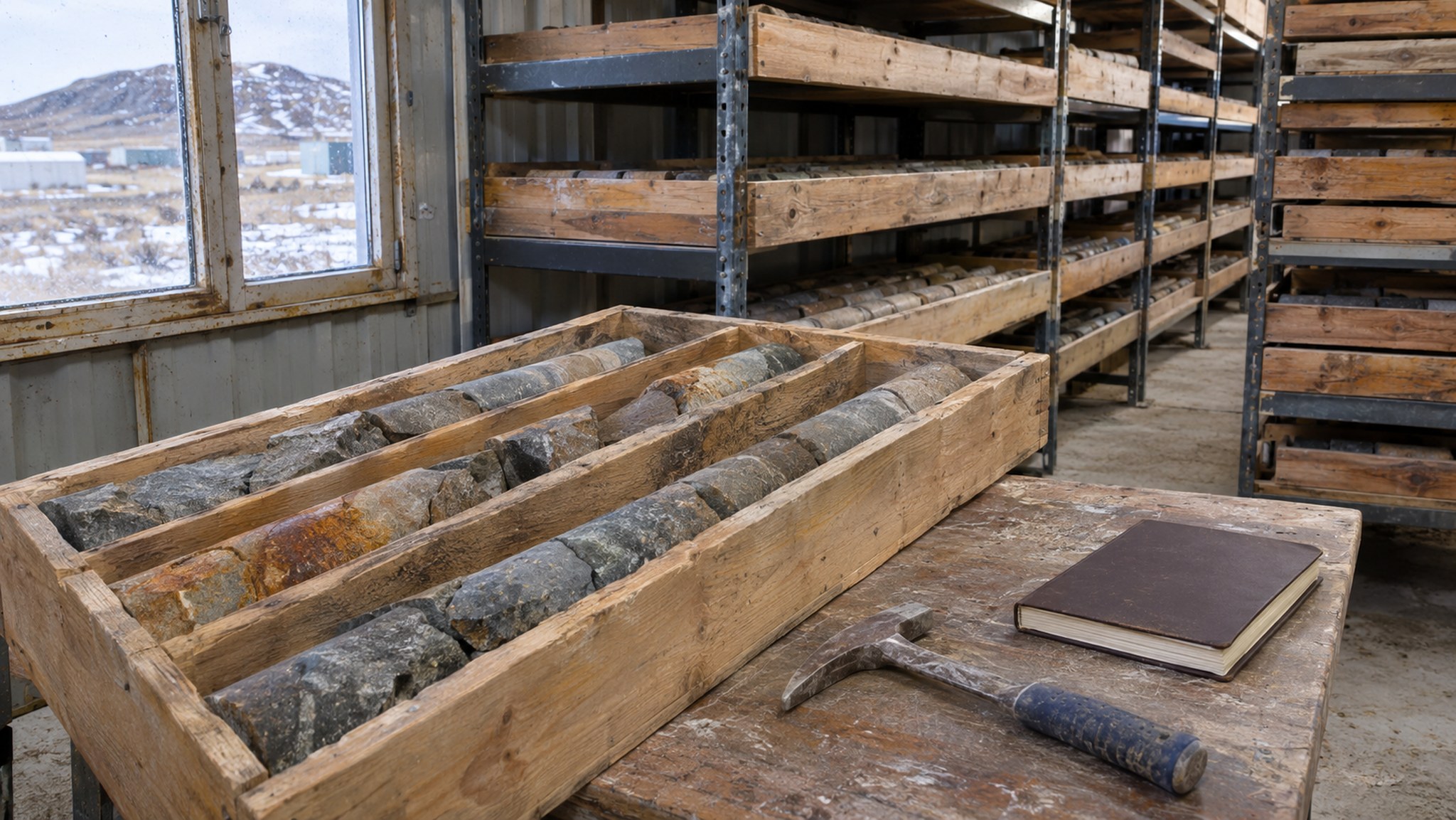
A: Under the Code, geological information comprises information recorded on identifiable tangible media regarding the composition, geological structure, and history of subsoil, plots, deposits, and mineral occurrences, as well as their geological, geochemical, geophysical, hydrogeological, geomorphological, and tectonic traits Code "On Subsoil and Subsoil Use" (adilet), Article 75, Paragraph 1. Tangible media comprise:
- Natural media: drill cores, mineral samples, CO2, mercaptans, water, rock/mineral specimens, stone sample/specimen collections, thin sections, polished sections, mineral solutions, and powders Subsoil Code (adilet), Art. 75(1).
- Artificial media: field observation logbooks, sampling/analysis/geophysical logs, geological reports, study results, resource/reserve assessments, primary paper/electronic field data, and interpretation/synthesis results Subsoil Code (adilet), Art. 75(1).
Ownership and entitlement allocation:
- Information obtained via budget funds or transferred under this Code is state property Subsoil Code (adilet), Art. 75(2).
- Information obtained with subsoil users' own funds is private property Subsoil Code (adilet), Art. 75(2).
- Private geological information in reports submitted to state authorities under statutory procedures is transferred to the state for indefinite possession and use Subsoil Code (adilet), Art. 75(2).
Q: How does the state account for, store, and provide geological information? What storage and export restriction obligations are borne by subsoil users?
A: Information in state ownership, possession, and use is accounted for and stored by the competent authority for subsoil study; its systematization and provision are managed by the national geology operator Subsoil Code (adilet), Art. 75(3). Procedures are set by the subsoil study authority, with electronic access via the unified subsoil use platform Subsoil Code (adilet), Art. 75(3). Note: Art. 75(3) part three is deleted effective January 1, 2027 Subsoil Code (adilet), Art. 75(3) Note.
Subsoil users must ensure completeness, accounting, and preservation of geological information and media, granting inspection access to the authority under its accounting/storage rules Subsoil Code (adilet), Art. 75(4). Circulation and export restrictions:
- Users exploring/producing hydrocarbons, solid minerals, or common minerals cannot alienate natural media during contract/license validity; export is permitted solely for research/analysis, with results included in geological reports Subsoil Code (adilet), Art. 75(4).
- Export of rock/mineral specimens, stone collections, thin/polished sections, solutions, and powders requires 1 month prior written notice to the authority Subsoil Code (adilet), Art. 75(4).
- Alienation or export of samples (пробы) requires authority permission, decided within 10 business days of application Subsoil Code (adilet), Art. 75(4). Permission is refused if the filing is non-compliant, export volume does not correspond to research needs, research can occur in Kazakhstan, or prior analysis reports were omitted Subsoil Code (adilet), Art. 75(4).
- Export of artificial media is unrestricted unless limited by state secrets legislation Subsoil Code (adilet), Art. 75(6). Restrictions exclude artisanal mining and underground space operations Subsoil Code (adilet), Art. 75(7).
Q: What statutory obligations and state gratuitous claim rights do subsoil users face when intending to alienate or destroy drill cores or when terminating operations?
A: The Code establishes notification rules and state rights to demand gratuitous transfer in writing (not conditioned on approval):
- Alienation or destruction of drill cores: Subsoil users must notify the authority in writing at least 1 month in advance Subsoil Code (adilet), Art. 75(5). The authority may demand in writing gratuitous transfer to state ownership within a set timeframe not under 1 month Subsoil Code (adilet), Art. 75(5).
- Handover upon termination: At least 3 months prior to planned termination on a plot, users must notify the authority in writing of possessed field observation books, sampling/analysis/geophysical logs, primary paper/electronic data, or cores Subsoil Code (adilet), Art. 75(5). Within 1 month of notice, the authority may demand gratuitous transfer to state ownership, which must be fulfilled within 1 month of receipt Subsoil Code (adilet), Art. 75(5).
- Drill core export review: Core export requires authority permission under Art. 75(4) rules (application contents, 10-business-day review, refusal grounds) Subsoil Code (adilet), Art. 75(5).
Q: What statutory reporting and verification obligations are borne by subsoil users? What are the recipients and requirements for the submission of various reports?
A: Subsoil users bear periodic and ad hoc reporting duties:
- Periodic reports cover reporting period activities; ad hoc reports inform authorities of specialized work on specific issues Subsoil Code (adilet), Art. 76(1). Composition and procedures are set in the Special Part.
- Specialized inspection: Upon written request, users must submit documents confirming completed work and expenditures within 20 business days of receipt Subsoil Code (adilet), Art. 76(2).
- EITI reporting: Mineral exploration/production users (excluding artisanal and common minerals) must submit auditor-confirmed standard Extractive Industries Transparency Initiative reports under Kazakhstan auditing law Subsoil Code (adilet), Art. 76(3). Forms and guidelines are approved by the authorized body Subsoil Code (adilet), Art. 76(3).
- Solid mineral reserve reports: Users compiling solid mineral resource/reserve assessment reports must submit electronic copies to the national operator; these reports are non-confidential and publicly disclosed Subsoil Code (adilet), Art. 76(4).
Q: What license and contract information is disclosed on the unified subsoil use platform? What information may not be classified as commercial secrets by law?
Rules related to this news
A: Under Art. 77, subsoil rights information is published on the unified platform Subsoil Code (adilet), Art. 77(1)-(2):
1. Issued licenses and concluded contracts;
2. Individuals (full name, citizenship) and legal entities (name, location) exercising actual control, plus forms/methods of control;
3. Total reported annual expenditures;
4. Annual land use fees (rent) paid;
5. Operational liquidation guarantees (type, amount, term, issuer);
6. Pledge registrations (date, pledgee identity/location);
7. Rights transfers (basis, date, transferred share, transferee identity/location);
8. Preceding local content share in goods, works, and services (if mandated);
9. Total annual expenditures on Kazakhstan specialist training, domestic R&D, regional socio-economic development, infrastructure, and resident support (if mandated).
Confidentiality exclusions: Information on local content fulfillment, procurement planning/execution, specialist training expenditures, scientific research spending, and regional development spending is not a commercial secret. Affected parties may inspect violations and measures via supervisory bodies Subsoil Code (adilet), Art. 77(4).
Q: How long is the commercial secret protection period for geological reports and officially archived materials? Under what statutory circumstances is public disclosure permitted?
A: Geological information in reports and documents obtained by state authorities constitutes subsoil users' commercial secrets under authority confidentiality duties Subsoil Code (adilet), Art. 77(3). The authority discloses information only under these circumstances Subsoil Code (adilet), Art. 77(3):
- For licensed operations, upon expiration of 5 consecutive years from submission; license holders may apply in writing before expiry to extend confidentiality up to 5 additional years Subsoil Code (adilet), Art. 77(3);
- For contractual information, upon subsoil use contract termination Subsoil Code (adilet), Art. 77(3);
- With written consent of the user Subsoil Code (adilet), Art. 77(3);
- Upon request of other state bodies taking confidentiality measures Subsoil Code (adilet), Art. 77(3);
- Expiration of 3 months from plot relinquishment (return) Subsoil Code (adilet), Art. 77(3);
- Information from state geological subsoil studies Subsoil Code (adilet), Art. 77(3);
- First 3-year work program results under hydrocarbon exploration/production contracts in poorly explored regions Subsoil Code (adilet), Art. 77(3).
Q: How are disputes in the field of subsoil use resolved? What special choice-of-jurisdiction rights exist for complex oil and gas projects?
A: Under Art. 78, dispute resolution mechanisms include:
- General jurisdiction: Disputes regarding exercise, amendment, or termination of subsoil rights are resolved under Kazakhstan law and ratified international treaties Subsoil Code (adilet), Art. 78(1).
- Arbitration for complex projects: Disputes under hydrocarbon exploration/production contracts for complex projects, by contractual terms and user choice, may be resolved in Kazakhstan courts or via arbitration inside Kazakhstan (including Astana International Financial Centre) or abroad under UNCITRAL Arbitration Rules Subsoil Code (adilet), Art. 78(2).
Q: What legal liabilities are incurred for violating subsoil legislation and breaching contractual or license obligations? What are the rules regarding the limitation period for liability and damage compensation?
A: Articles 79 and 80 establish sanctions and limitation periods:
- Liability and remediation: Subsoil law violations incur statutory liability; administrative or criminal liability does not relieve the duty to remedy violations Subsoil Code (adilet), Art. 79(1)-(2).
- Subsoil damage compensation: Damage to subsoil or state subsoil ownership must be compensated under statutory procedures; economic damage assessment methodology is approved jointly by the solid minerals authority and hydrocarbon/uranium authorities Subsoil Code (adilet), Art. 79(3).
- False reporting: Concealing or providing deliberately inaccurate information in solid mineral resource/reserve reports or submitted filings entails legal liability Subsoil Code (adilet), Art. 79(4).
- Breach liability and limitation period: Breach of contract/license obligations is penalized under the Special Part Subsoil Code (adilet), Art. 80(1). Supervisory bodies may hold users liable within 3 years from when they knew or ought to have known of the breach; rights transfers do not affect limitation period calculation Subsoil Code (adilet), Art. 80(2).
Comparison Table of Core Compliance Obligations and Legal Rules for Subsoil Use in Kazakhstan
| Category of Obligation/Rule | Main Content | Article Number |
|---|---|---|
| Concept and Ownership of Geological Information | Defines natural media (cores, samples) and artificial media (logs, reports); budget-funded data is state-owned, self-funded is private; submitted data is transferred for indefinite state possession/use | Article 75, Paragraphs 1 and 2 |
| State Administration and Unified Platform | Subsoil study authority stores state data; national geology operator handles systematization/provision; electronic delivery via unified platform; note on deletion effective January 1, 2027 | Article 75, Paragraph 3 |
| Preservation and Export of Natural Media | Alienation prohibited during exploration/production; specimen exports require 1 month prior written notice; sample alienation/export requires approval (10-business-day review, 4 refusal grounds) | Article 75, Paragraph 4 |
| Core Disposal and Termination Handover | Core alienation/destruction requires 1 month notice with state gratuitous claim rights (>=1 month); materials notified 3 months before termination with 1-month claim rights | Article 75, Paragraph 5 |
| Export Rules for Artificial Media | Artificial media export unrestricted unless limited by state secrets; artisanal mining and underground space exempt | Article 75, Paragraphs 6 and 7 |
| Statutory Report Submission | Submit periodic/ad hoc reports; reply to inspection inquiries within 20 business days; submit audit-confirmed EITI reports; solid mineral reserve reports to national operator are non-confidential | Article 76, Paragraphs 1 to 4 |
| Information Disclosure on Unified Platform | Platform discloses licenses, contracts, actual controllers, annual spend, rent, liquidation guarantees, pledges, transfers, local content, and training/R&D/regional spending | Article 77, Paragraphs 1 and 2 |
| Commercial Secrets and Exempt Disclosures | Confidentiality applies; disclosure occurs upon 5 years for licenses (extension up to 5 years permitted), contract end, user consent, 3 months post-relinquishment, state surveys, or first 3-year hydrocarbon results | Article 77, Paragraph 3 |
| Exclusion from Confidentiality and Public Supervision | Local content, procurement, training spend, R&D spend, and regional development spend are not commercial secrets; affected parties may inspect violations with supervisory bodies | Article 77, Paragraph 4 |
| Dispute Resolution Jurisdiction | Resolved under Kazakhstani law and treaties; complex hydrocarbon project disputes may go to Kazakhstani courts or arbitration in Kazakhstan (including AIFC) or abroad under UNCITRAL rules | Article 78, Paragraphs 1 and 2 |
| Liability for Violations and Damage Compensation | Administrative/criminal liability does not excuse remediation; subsoil damage compensated via economic assessment methodology; false filings incur statutory liability | Article 79, Paragraphs 1 to 4 |
| Breach of Contract Liability and Limitation Period | Breaches sanctioned under Special Part; supervisory authority limitation period is 3 years from actual/constructive notice; rights transfers do not affect limitation calculation | Article 80, Paragraphs 1 and 2 |
Source: Code "On Subsoil and Subsoil Use" (adilet), Articles 75–80.
Source List
- Code "On Subsoil and Subsoil Use" (adilet)
- In-Depth Analysis of Compliance on Supervision Inspections and Statutory Notifications in the Subsoil Use Sector
政策能查出处,落地找人对接,详情问 tumah.kz
Policies can be traced to their sources, implementation contacts can be arranged — ask tumah.kz for details